
FIFA Museum, Zurich: Tickets and Info
This website offers official tickets for this venue. Please note, however, that it is not the official website of the venue.

Smartphone tickets

Why wait?

Instant confirmation

Flexible cancellation



FIFA Museum: Admission Ticket
Highlights
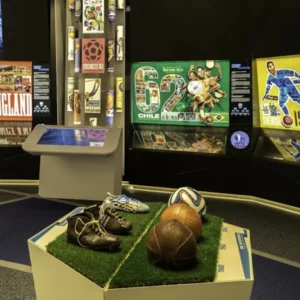
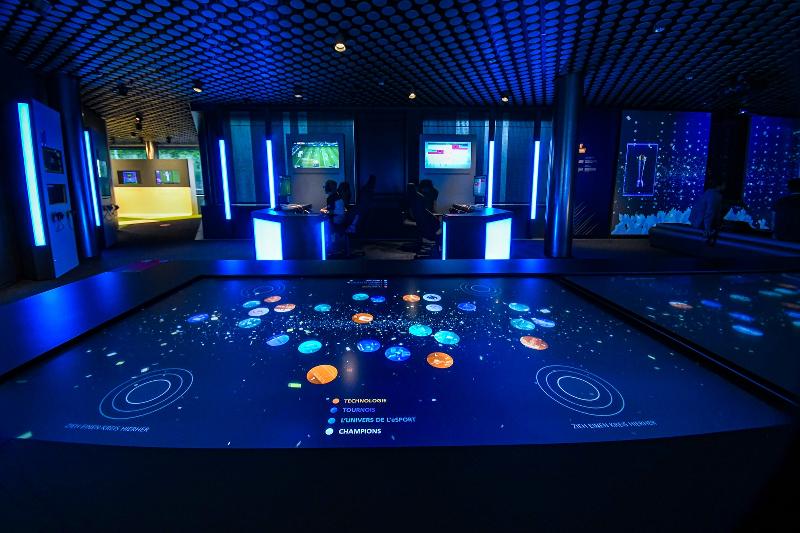
Explore interactive exhibitions showcasing football’s global influence.
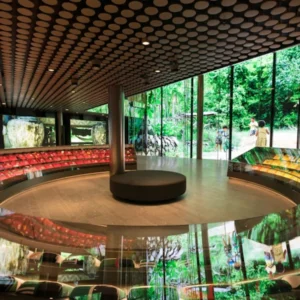
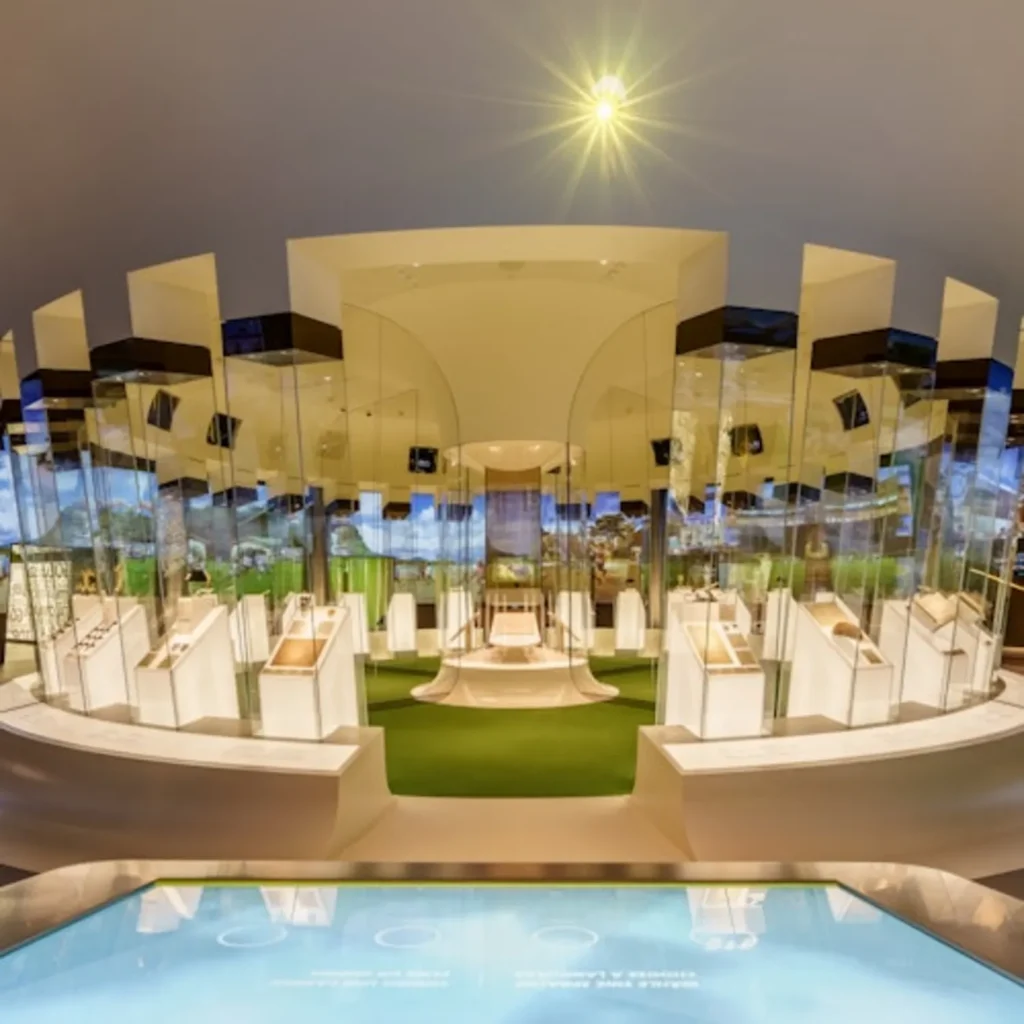
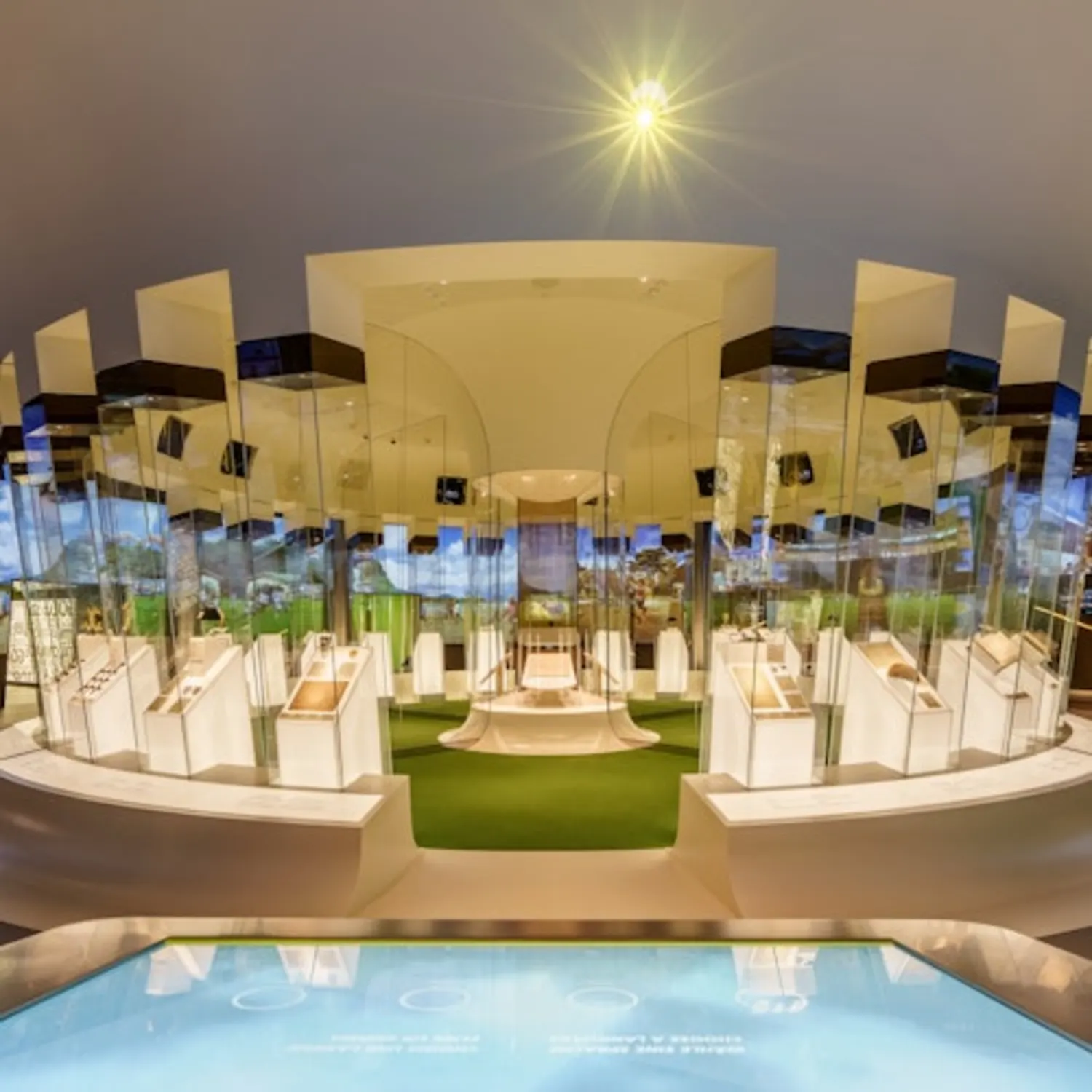
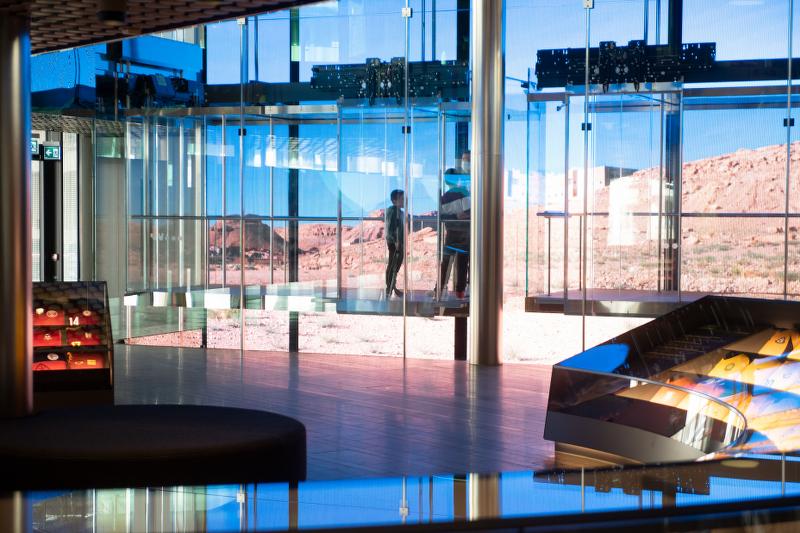
Experience over three expansive floors filled with engaging audiovisual displays.
Discover stories and insights through a multilingual audio guide.
Enjoy access to both permanent and special temporary exhibits.
Perfect for visitors of all ages, including families.




Good to Know Before Visiting the FIFA Museum
Essential Visitor Info
- Timings
- Address & Directions
- Facilities
- Accessibility
About the FIFA Museum

Why Visit the FIFA Museum?
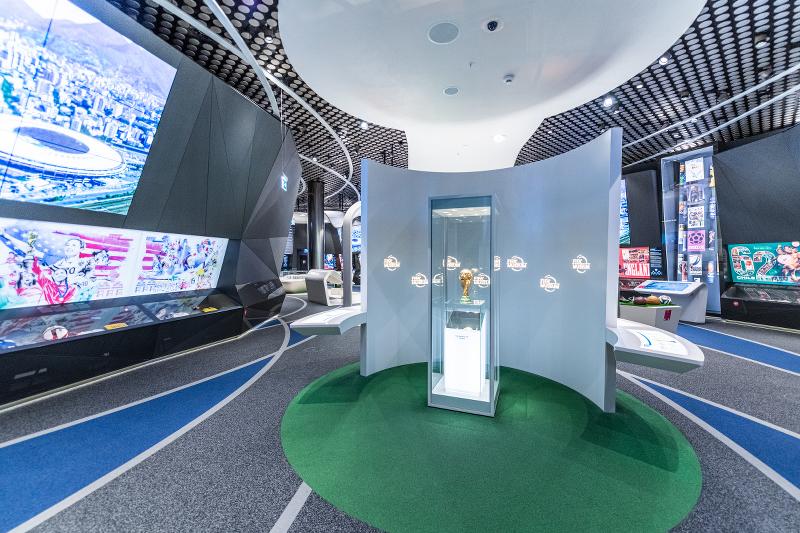
FIFA Museum - Highlights in Pictures


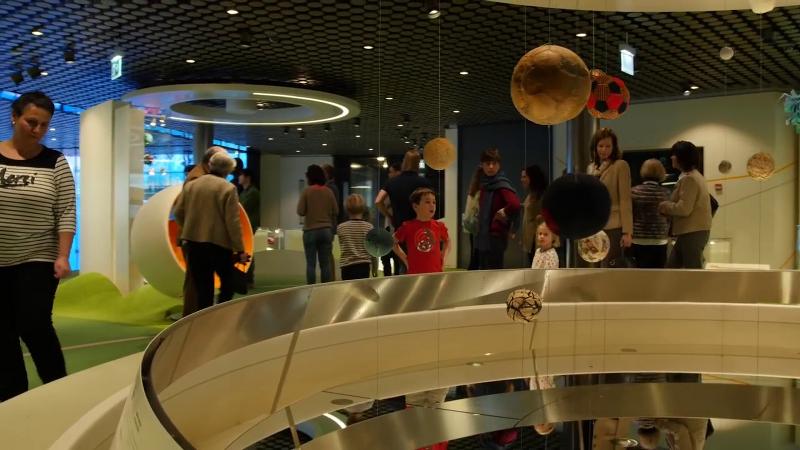
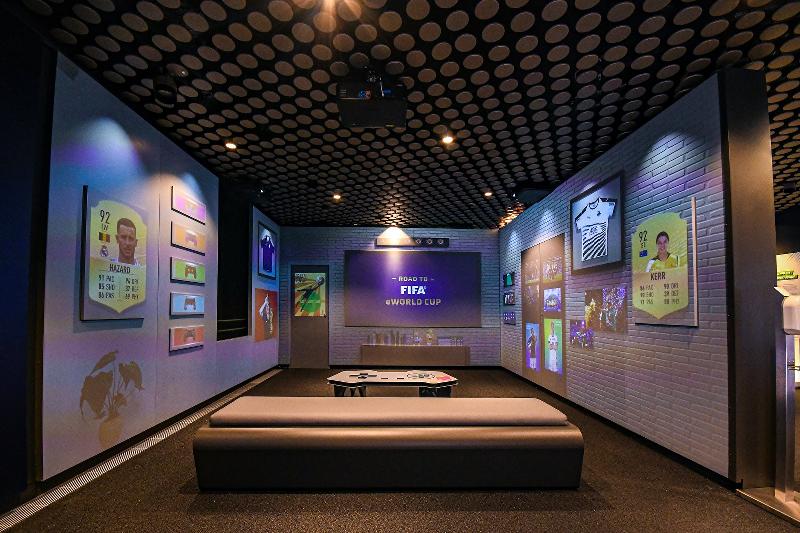
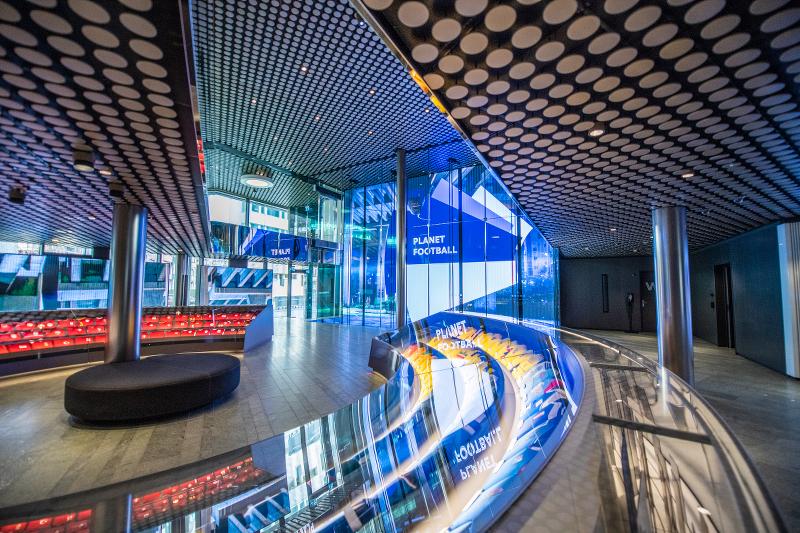
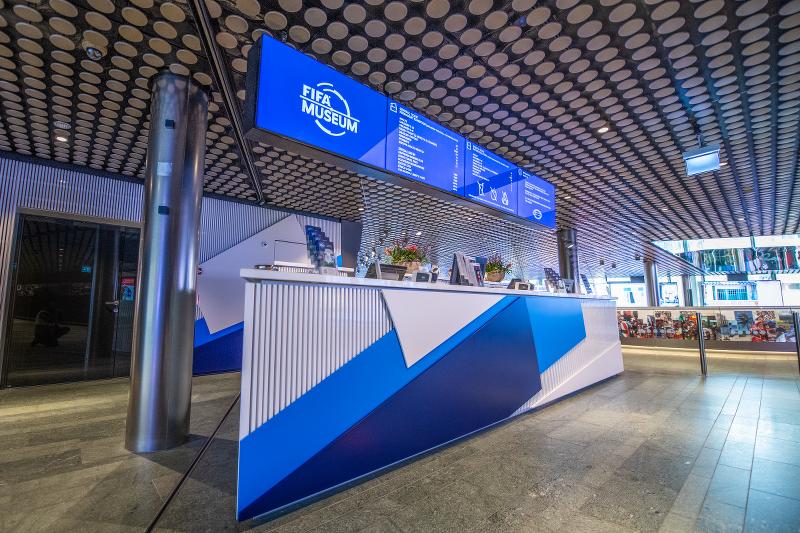
FIFA Museum - Additional Info
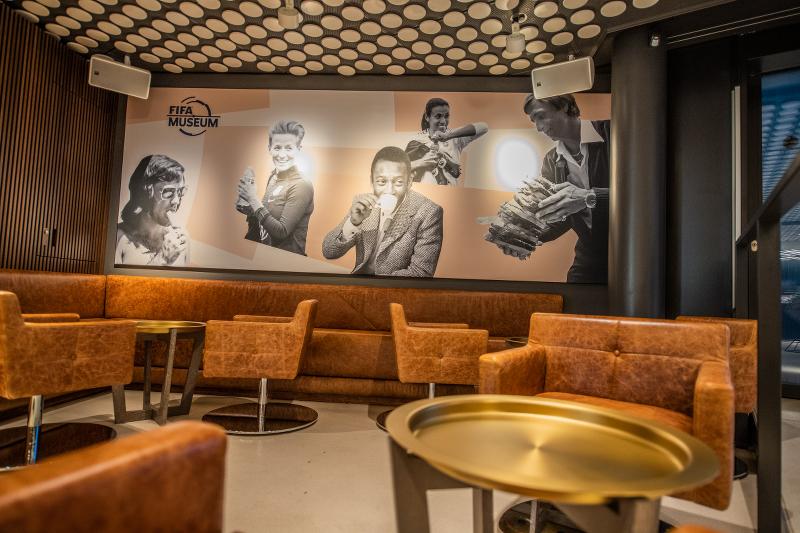
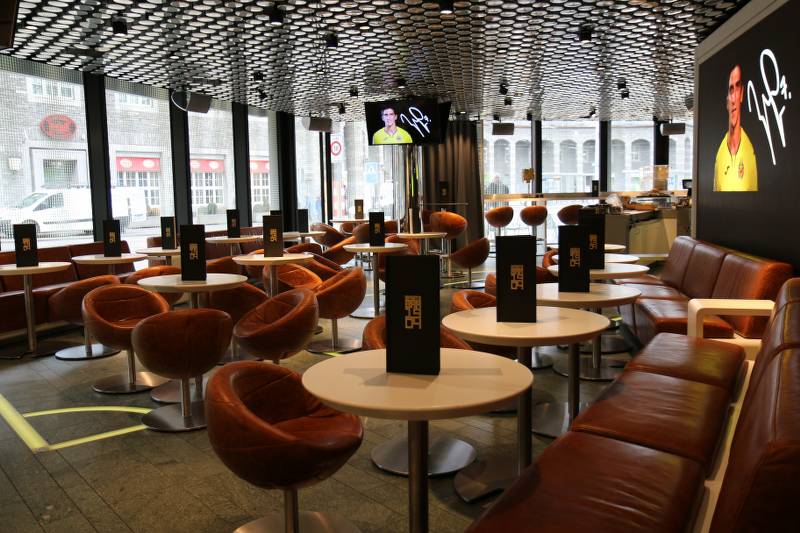
- Dining
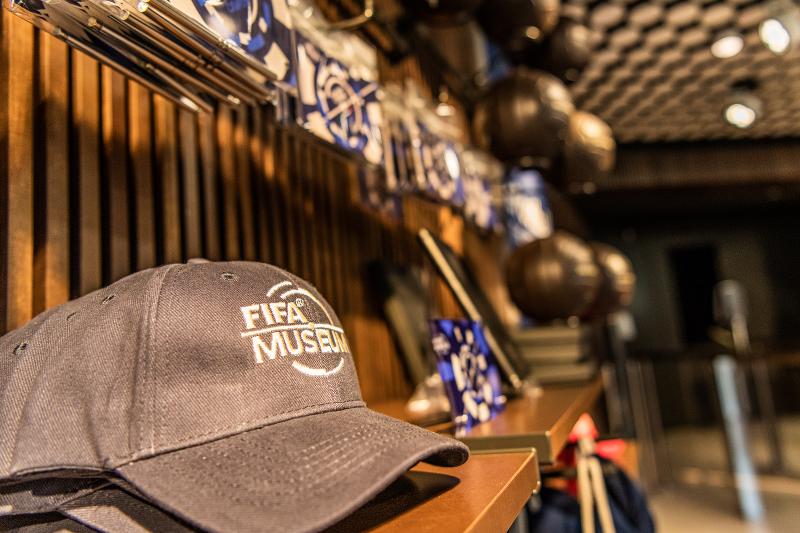
- Souvenir Store
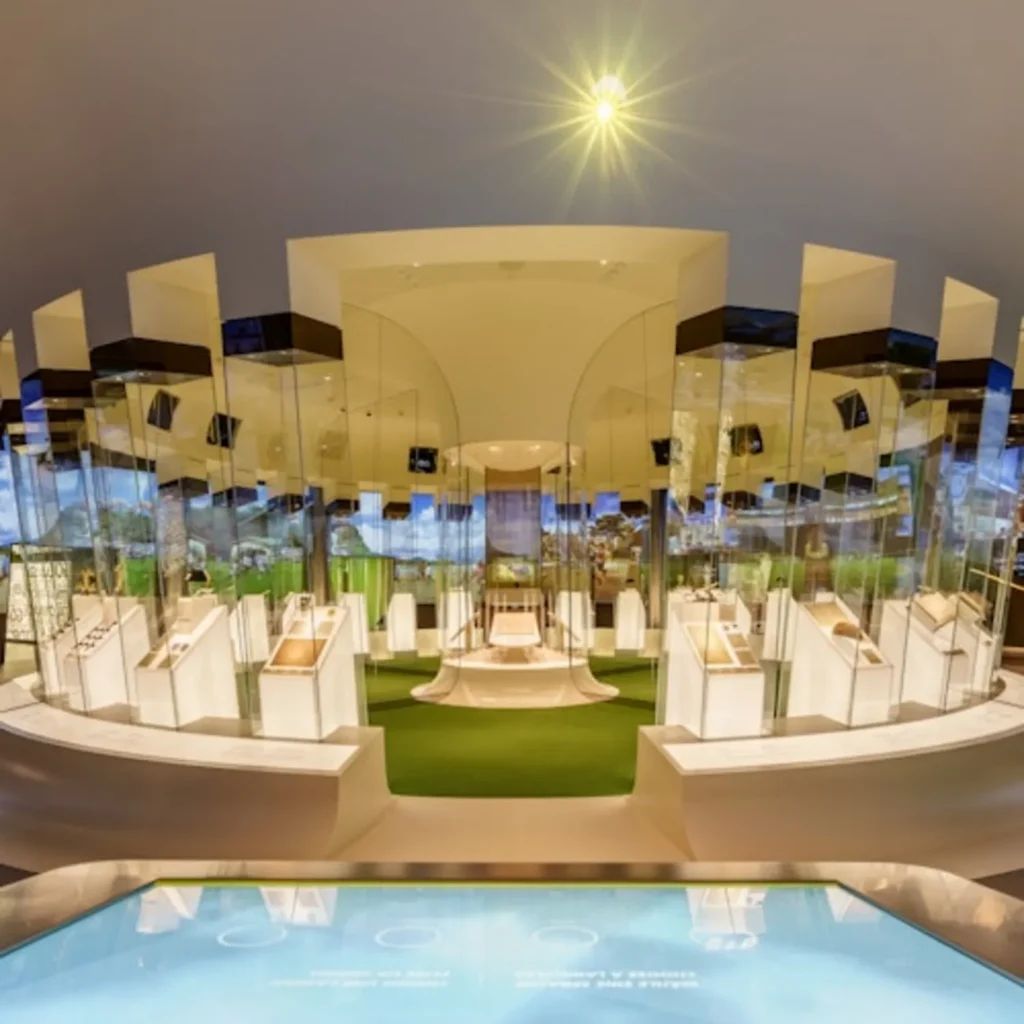
Interesting Facts about the FIFA Museum
The FIFA Museum covers approximately 3,000 square metres of exhibition space distributed over three distinct floors.
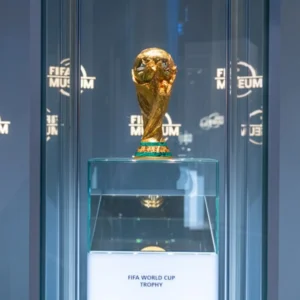
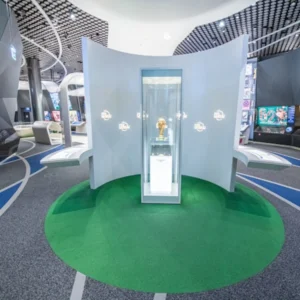
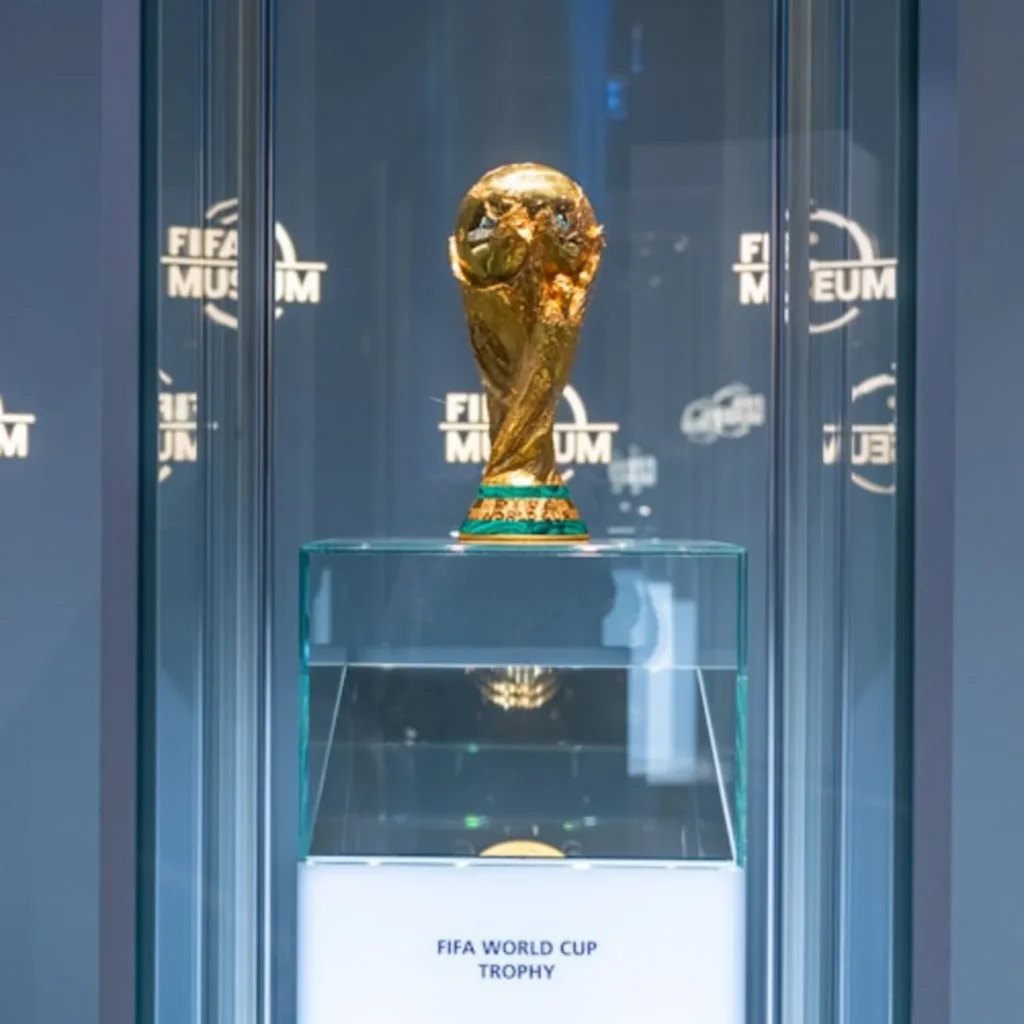
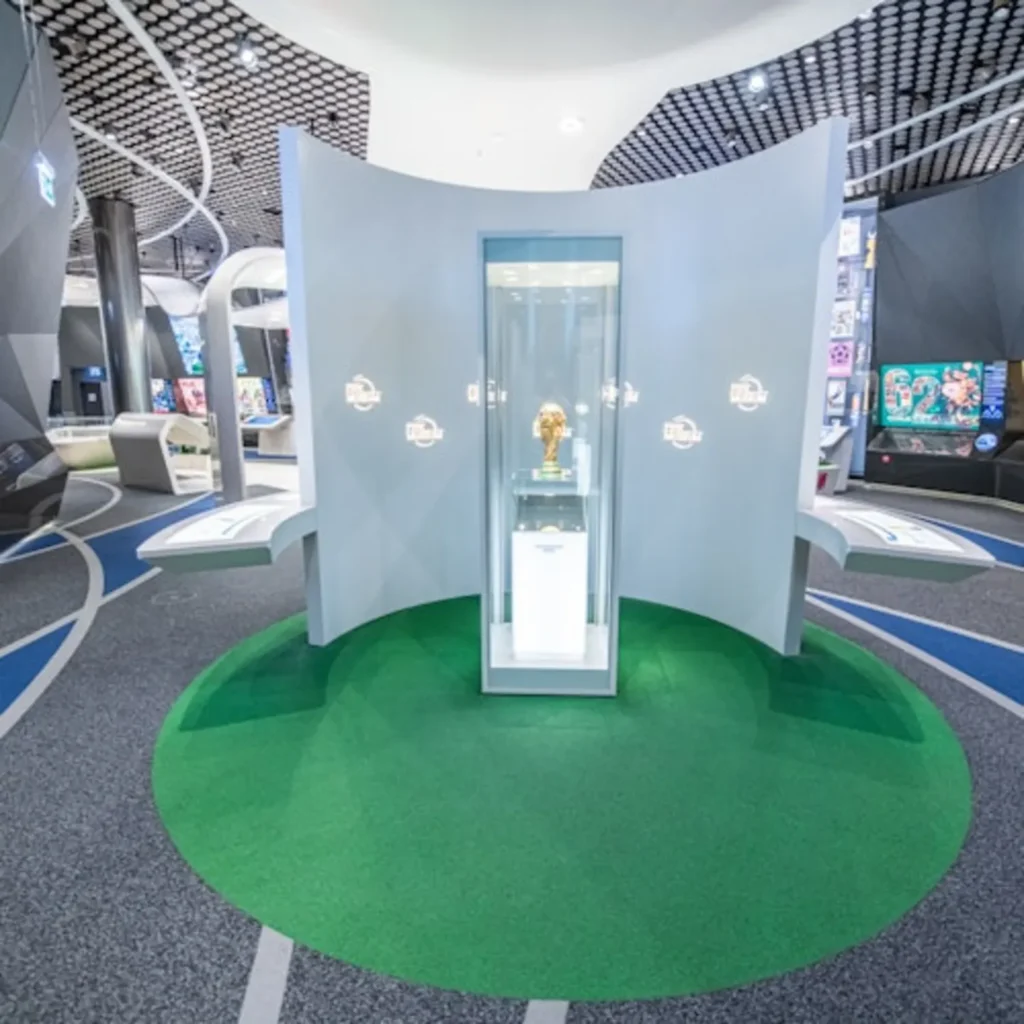
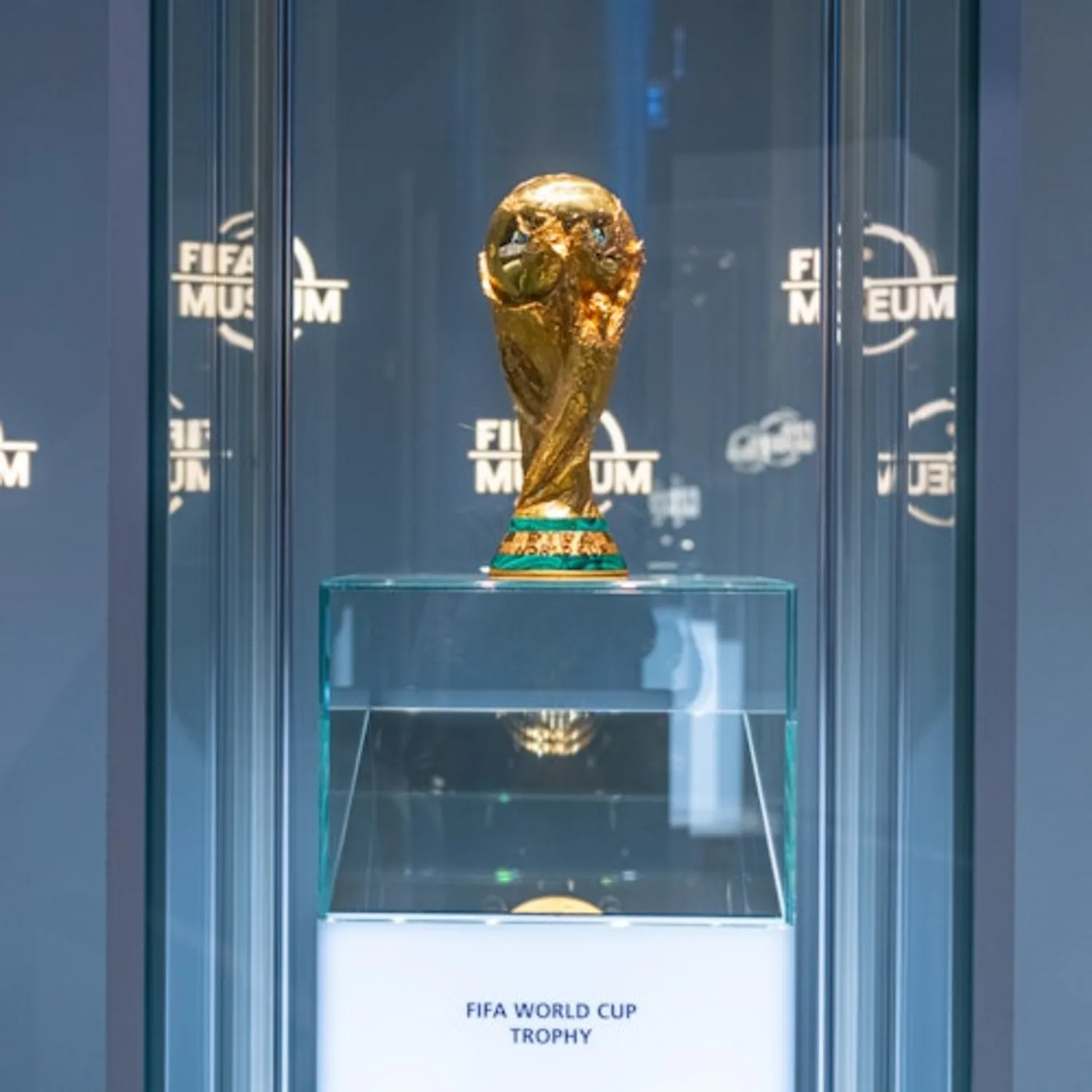
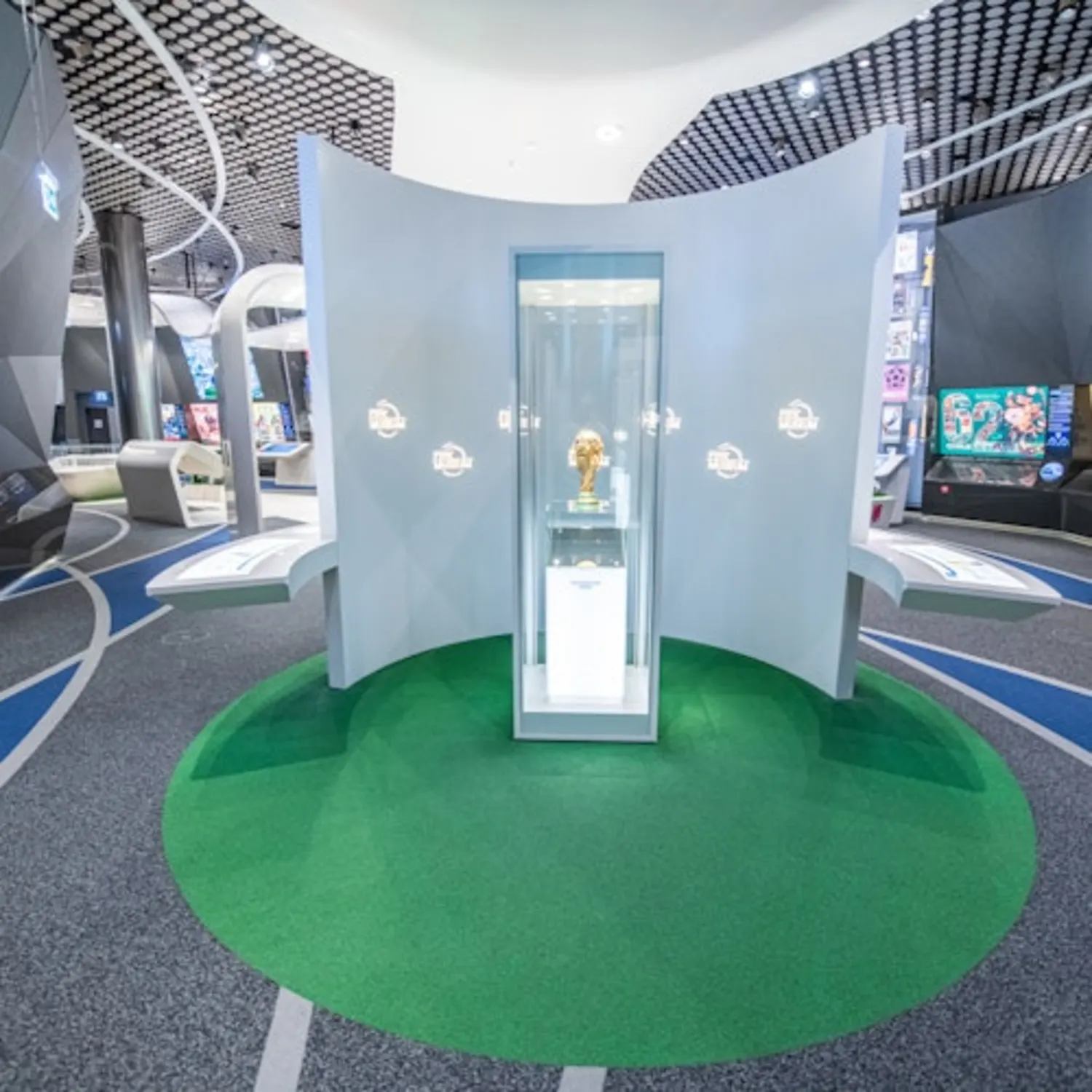
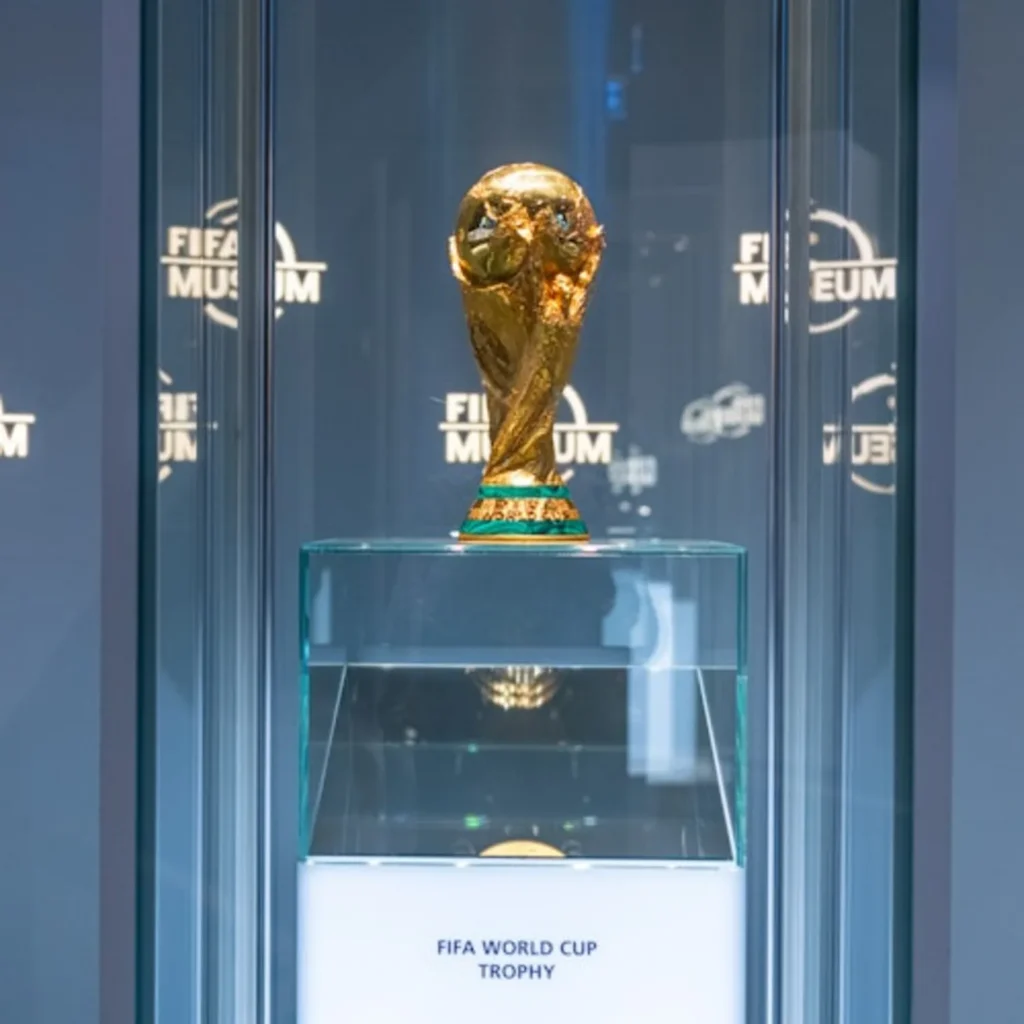
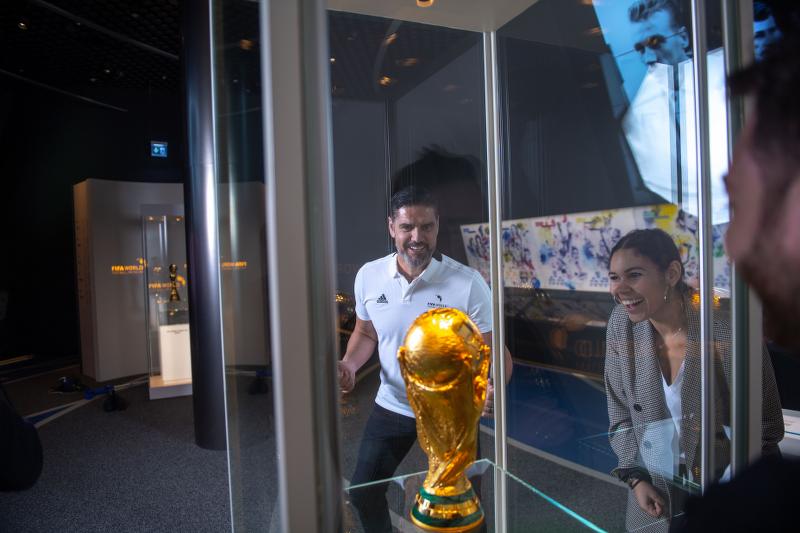
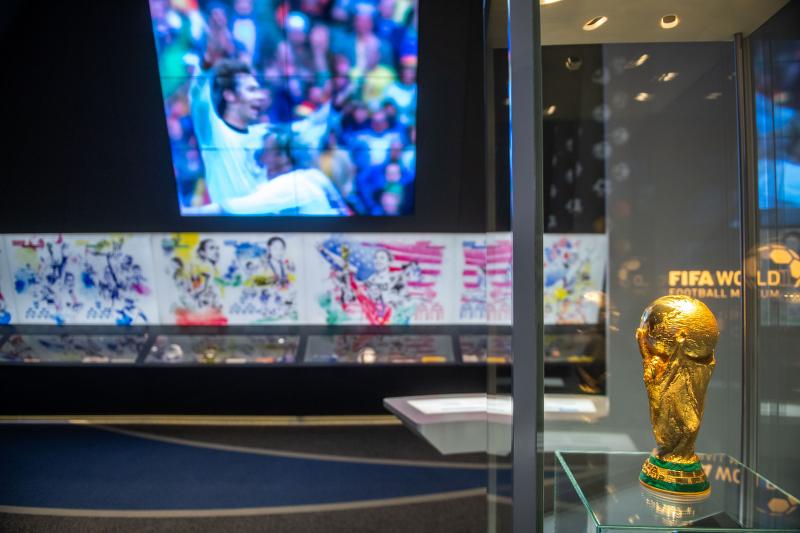
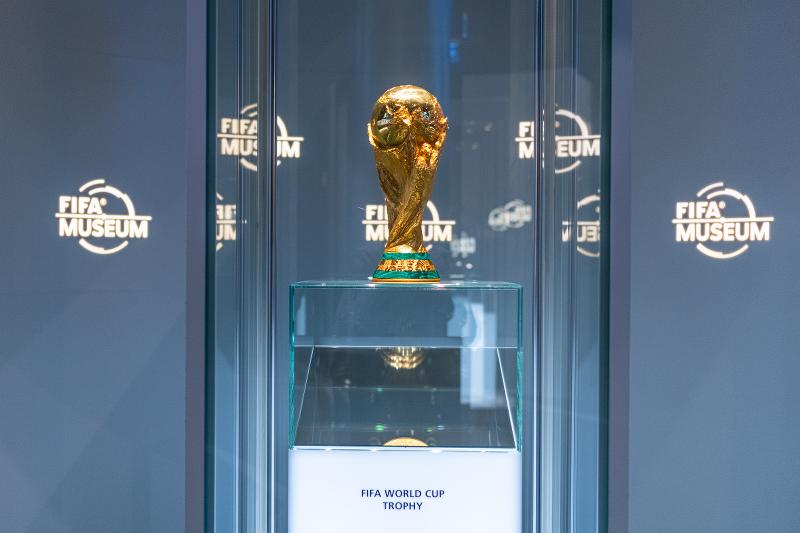
The centerpiece of the museum is the original FIFA World Cup Trophy, which is made of 18-carat gold and weighs 6.175 kilograms.
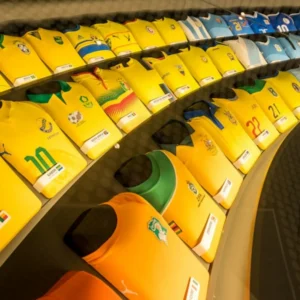
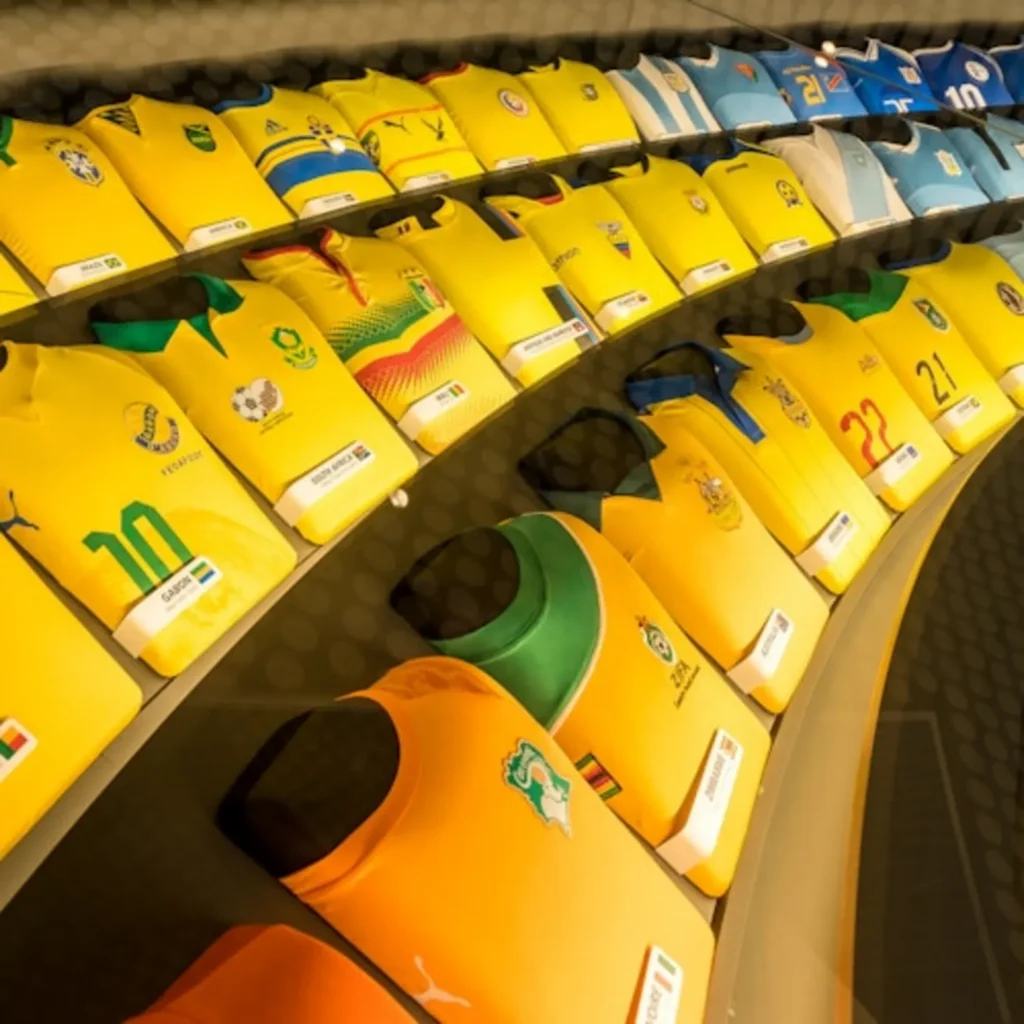
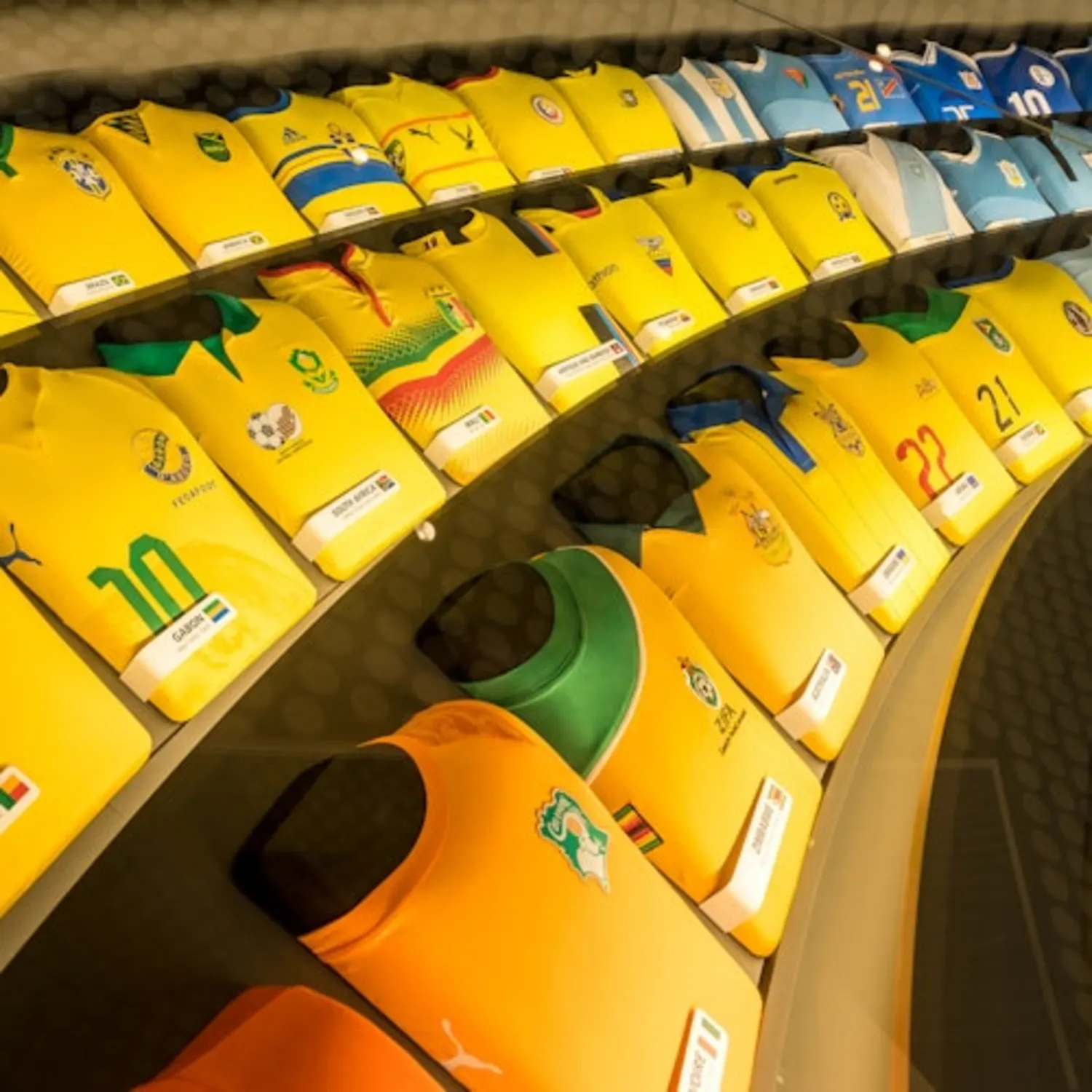
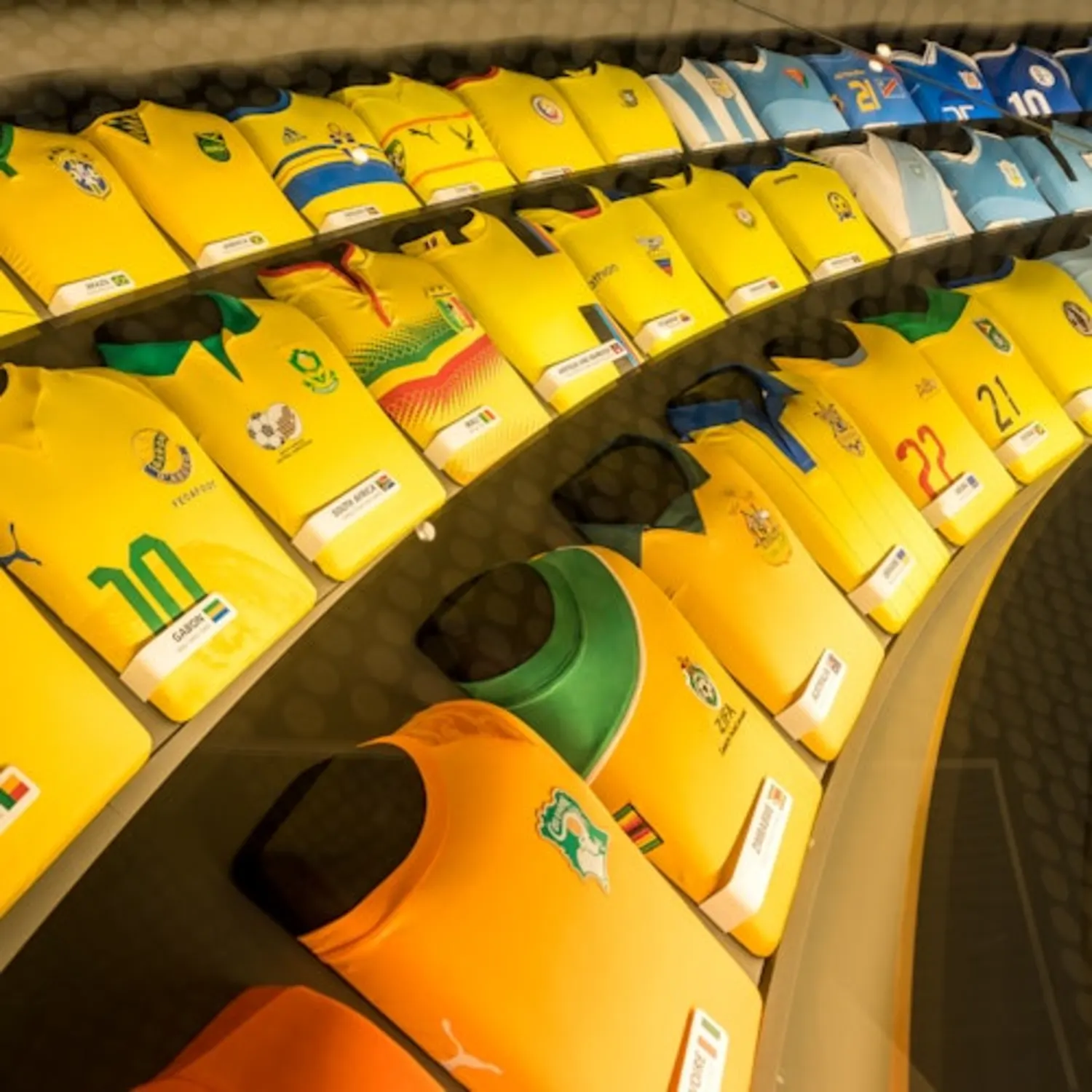
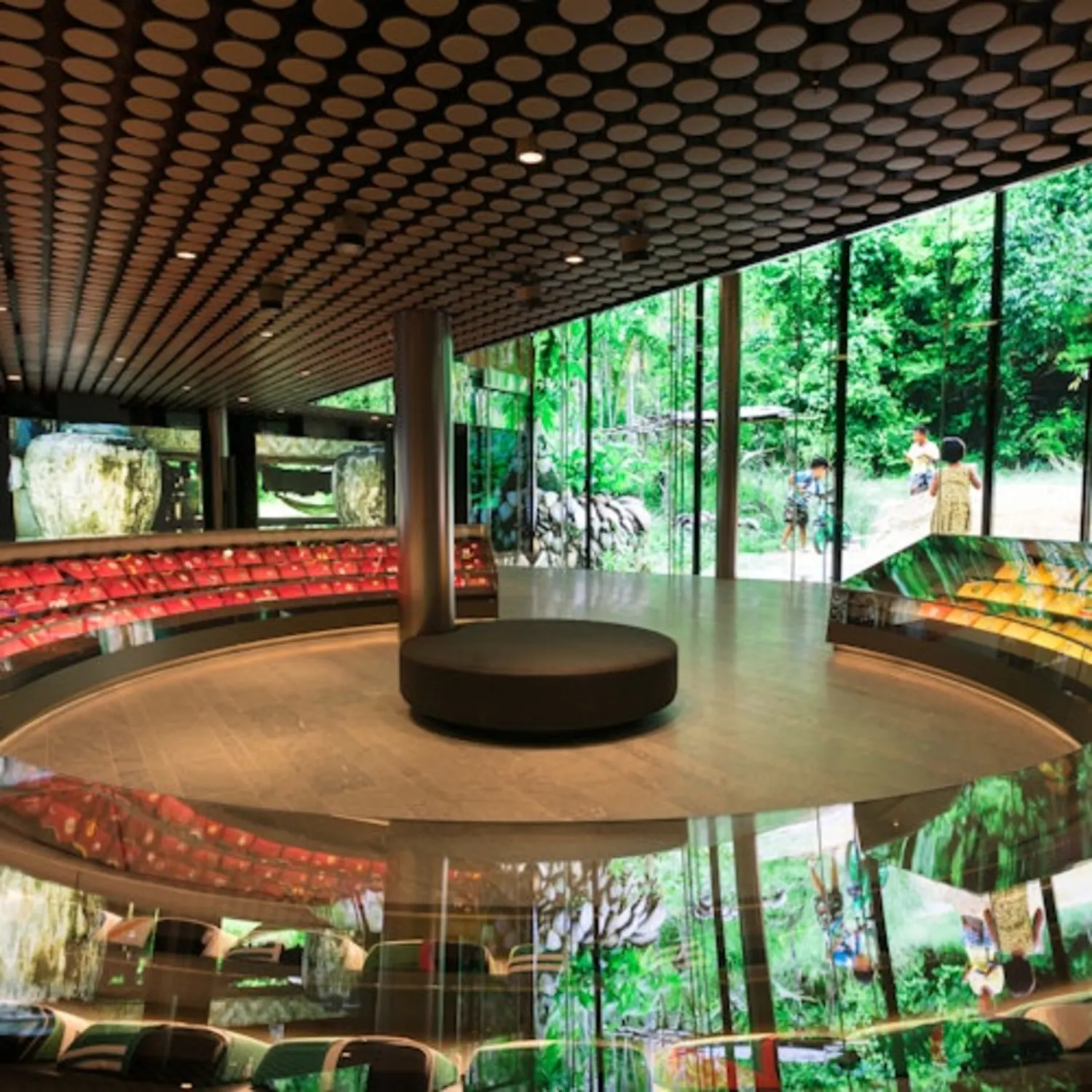
The "Rainbow" installation features the official national team jerseys of all 211 FIFA member associations arranged in a vibrant color spectrum.
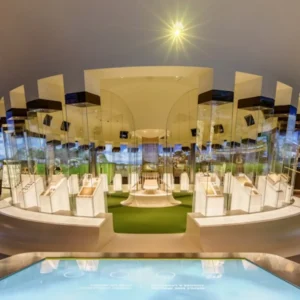
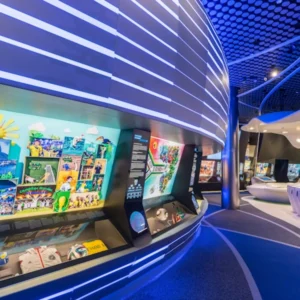
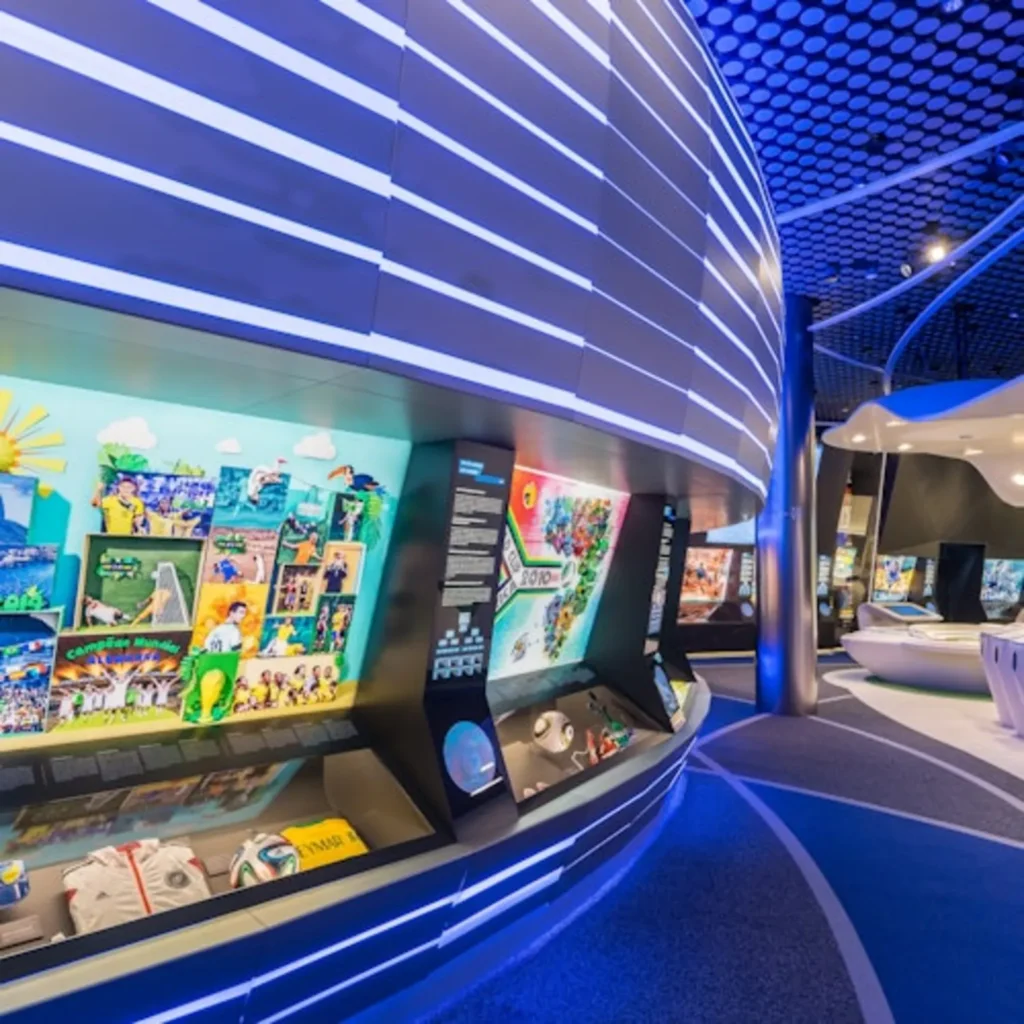
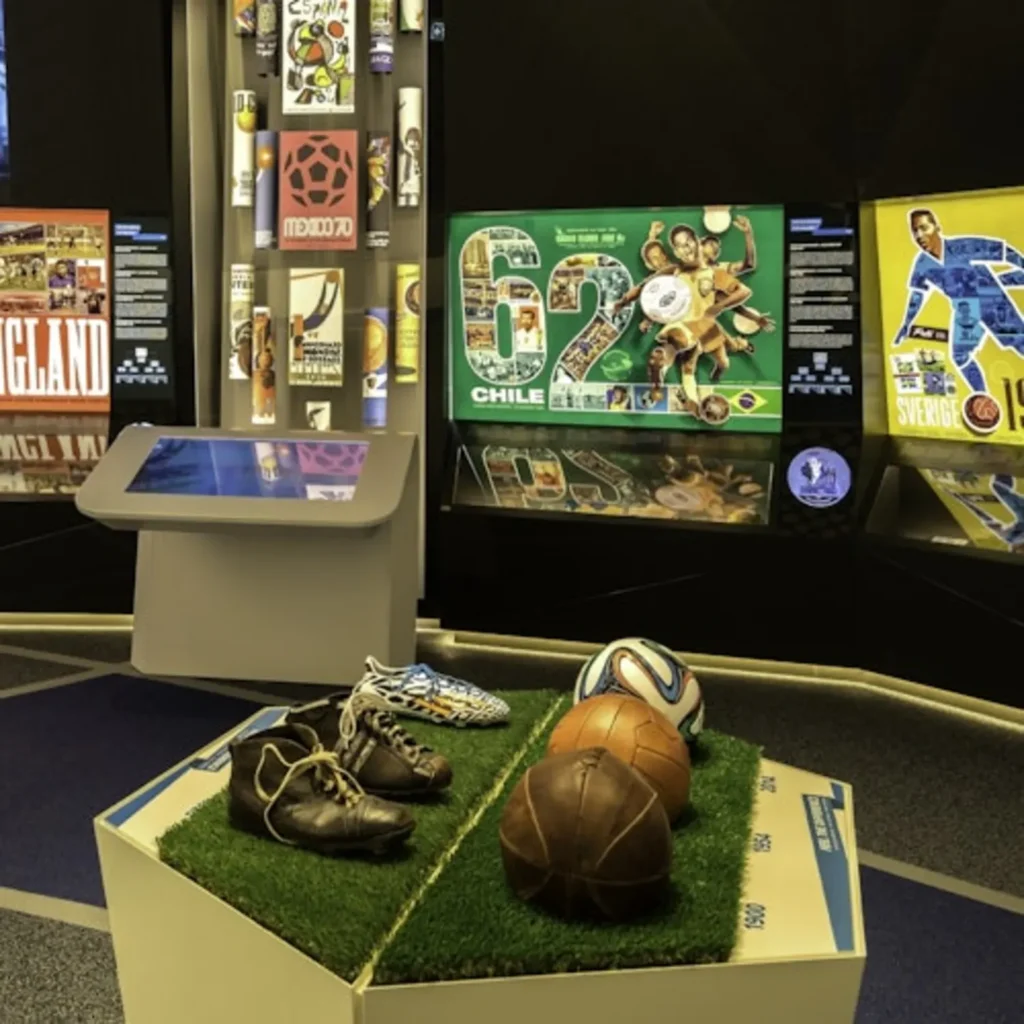
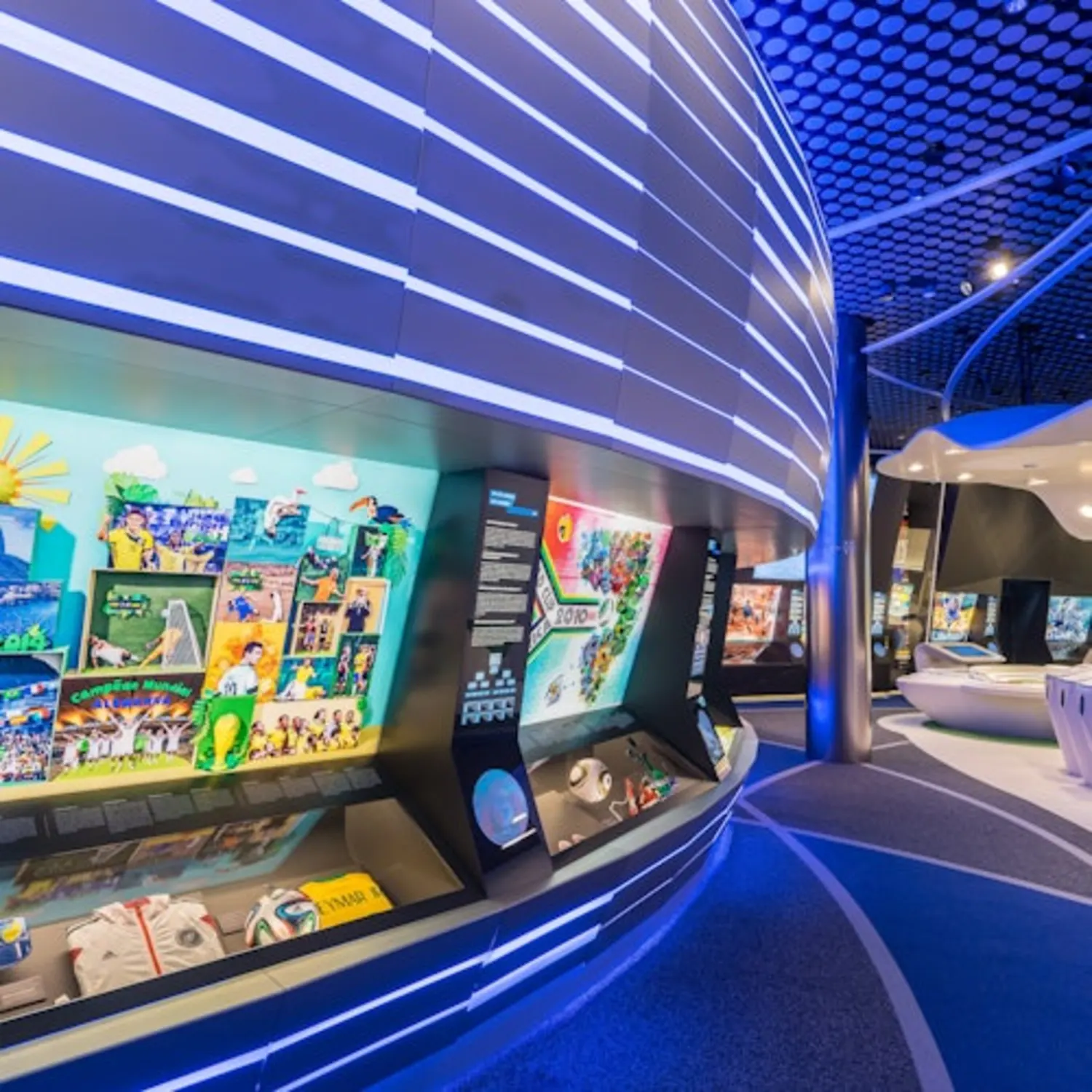
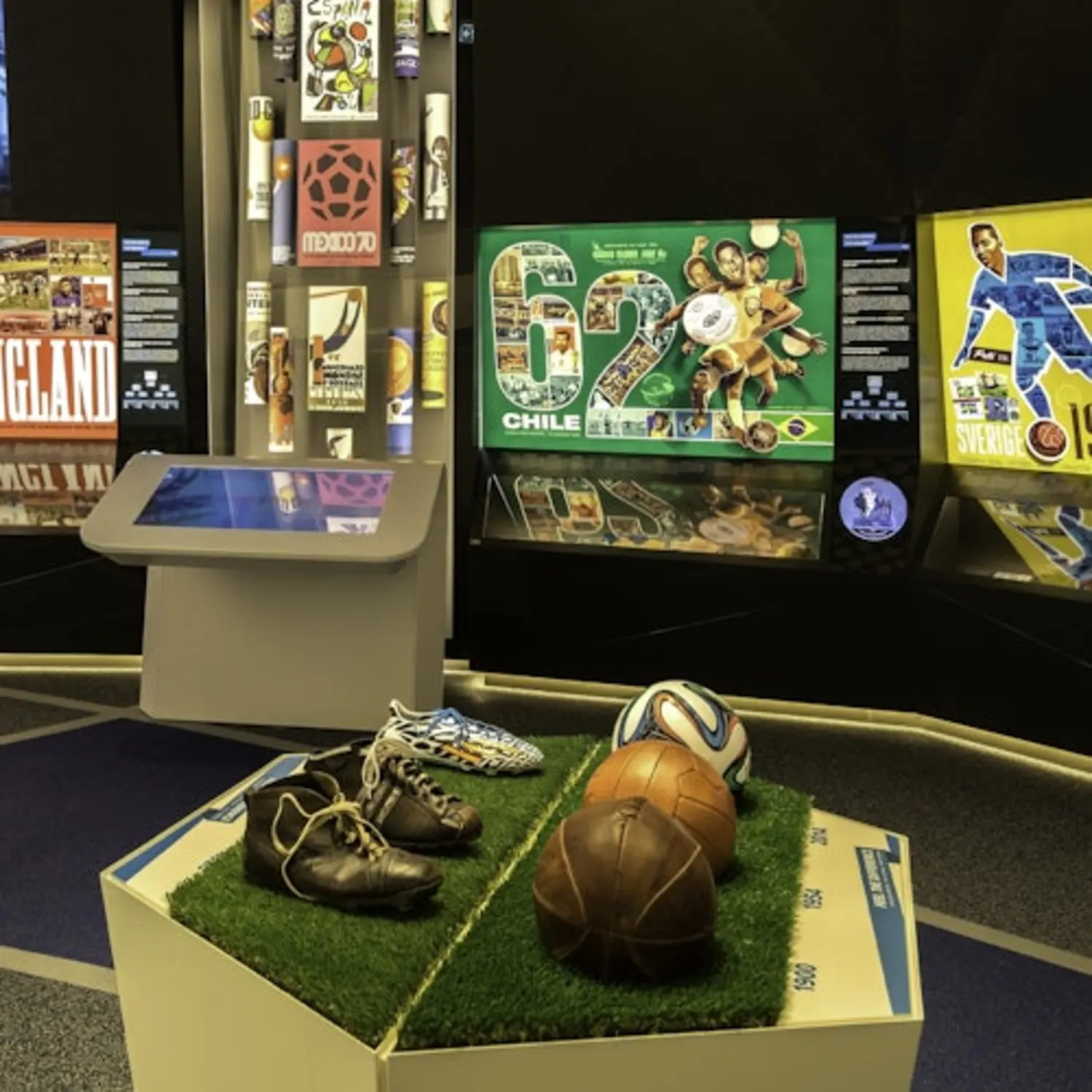
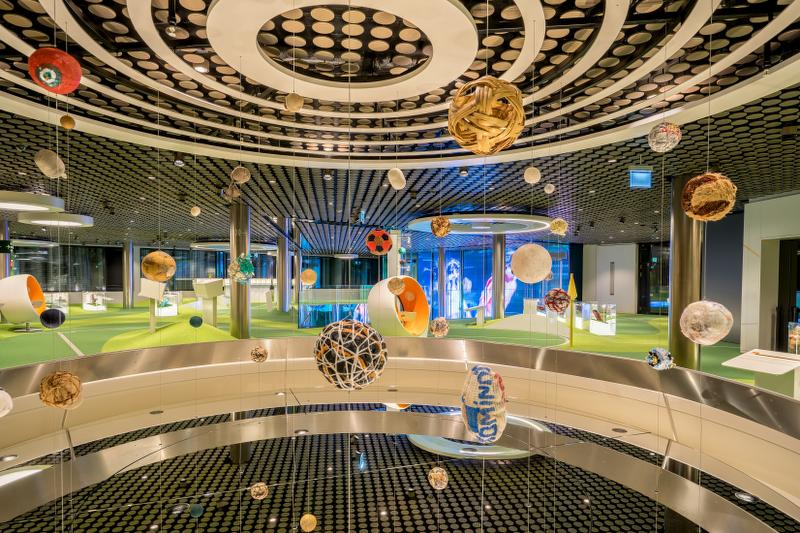
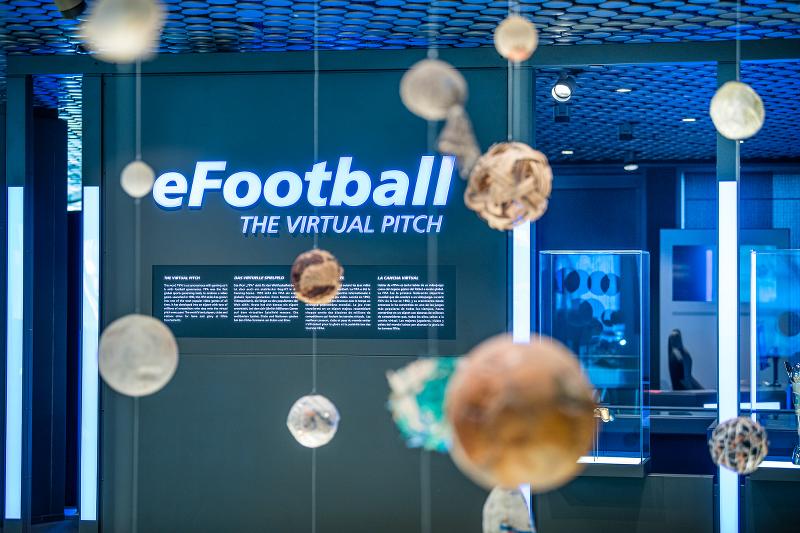
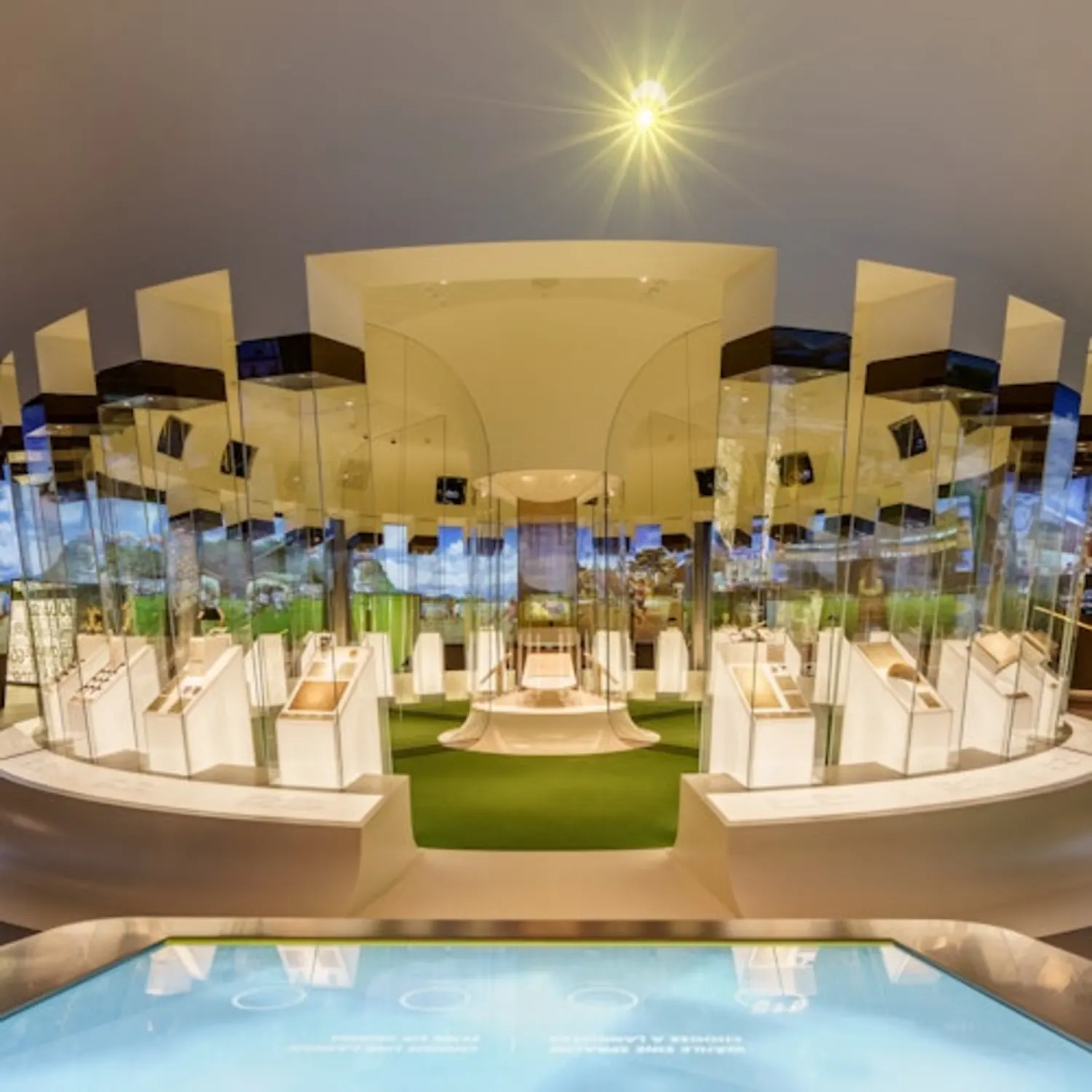
More than 1,000 exclusive objects and pieces of memorabilia are on display, including match balls from every World Cup final since 1930.
The museum building, known as the Haus zur Enge, was designed by architect Werner Stücheli in the 1970s and underwent extensive renovation before the museum opened in 2016.
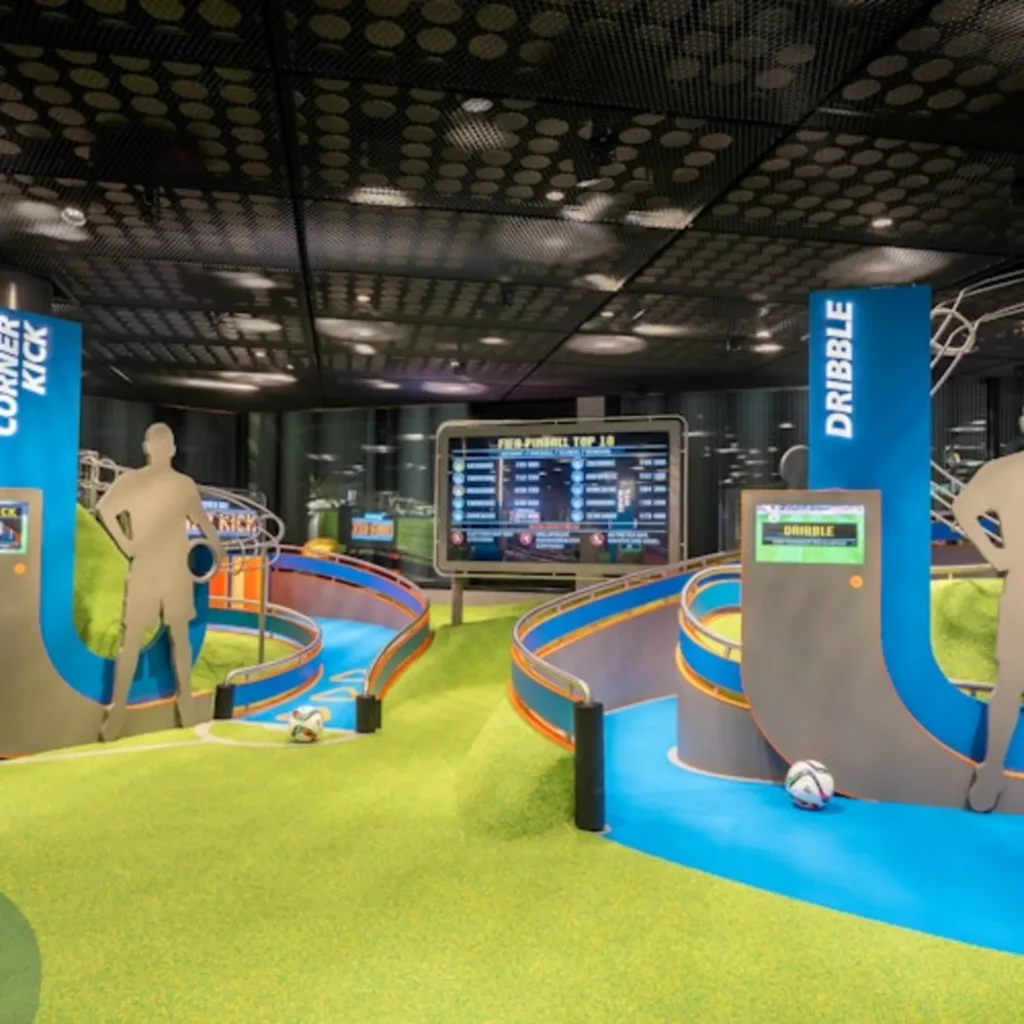
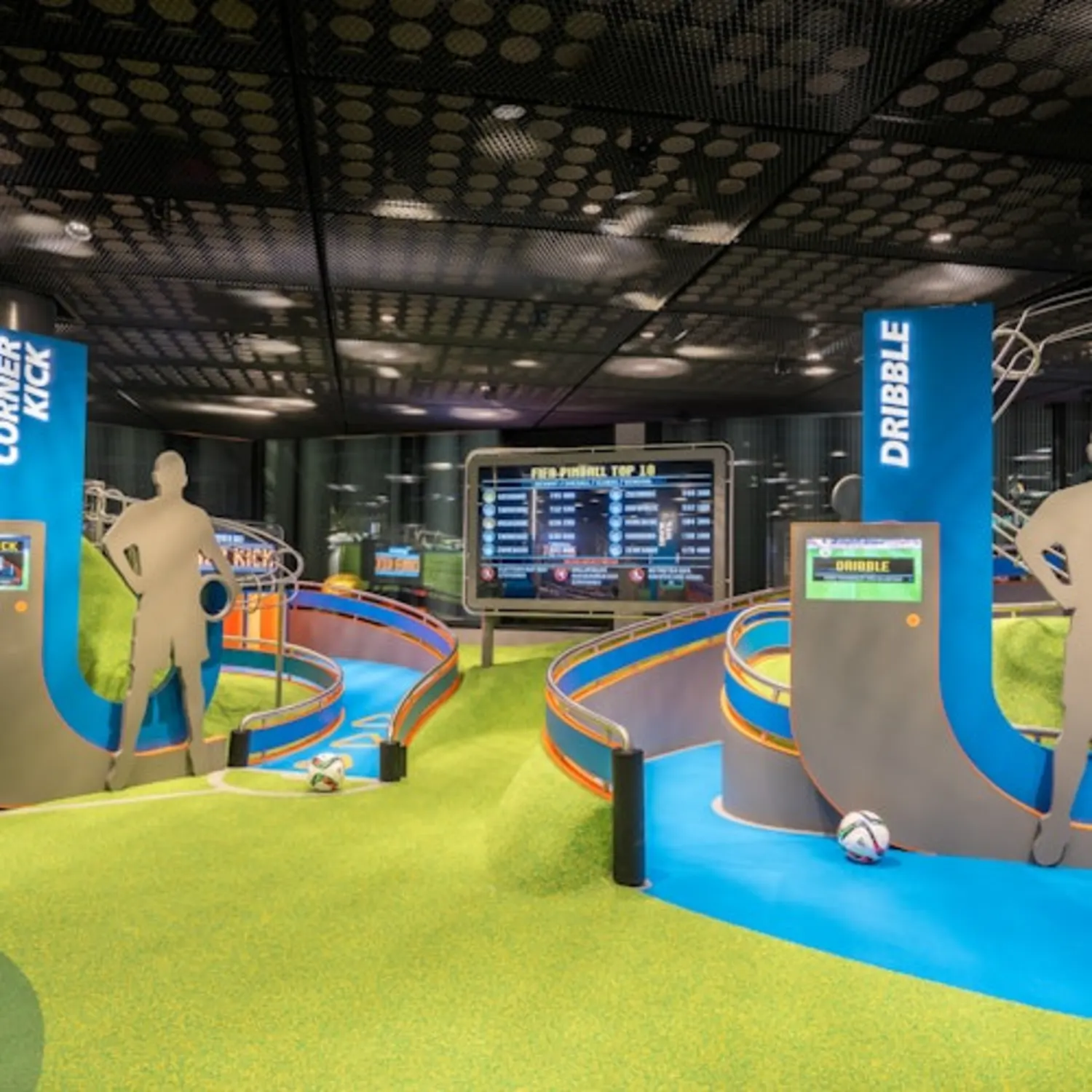
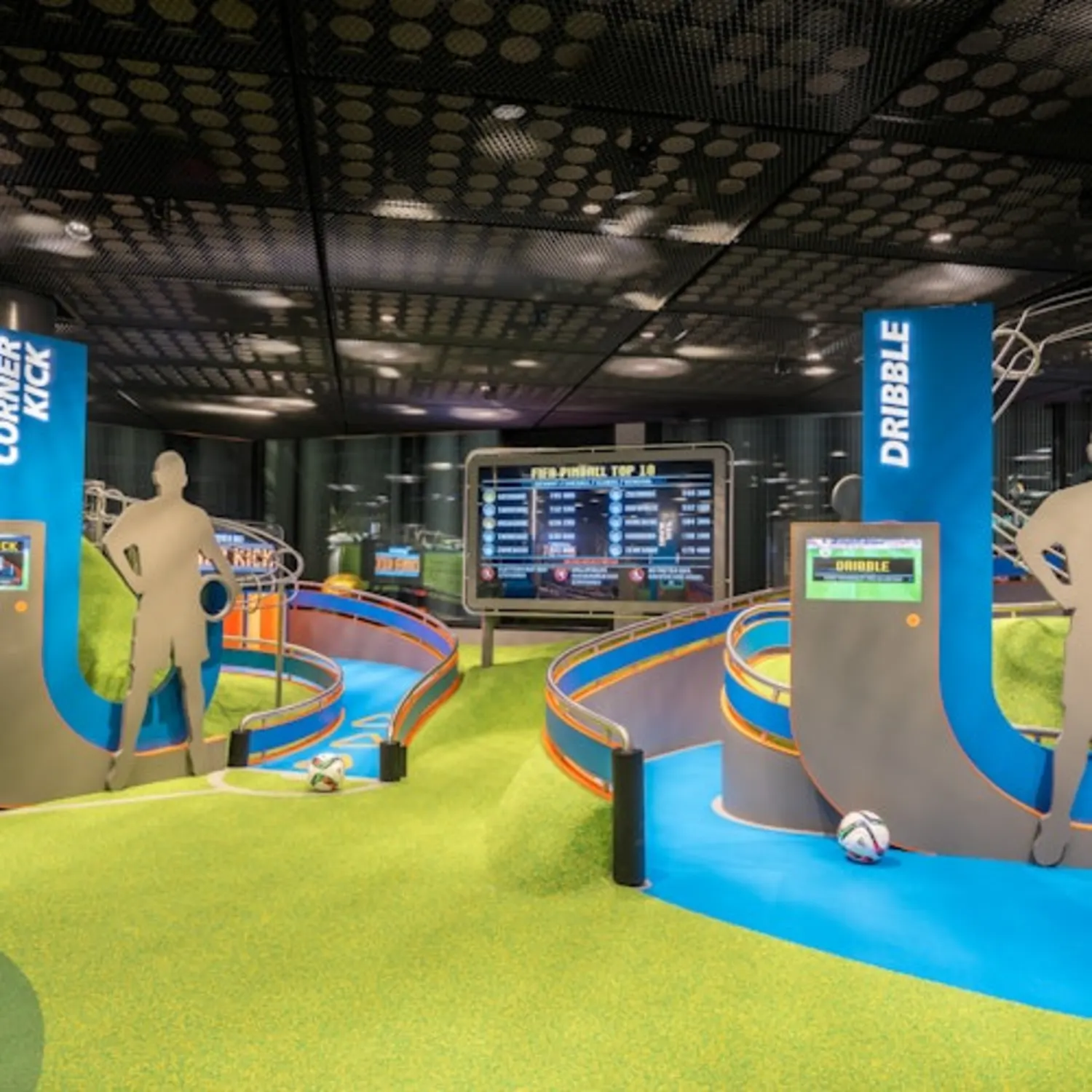
Visitors can engage with the sport physically through a giant walk-in pinball machine that tests ball-handling skills and coordination.
The library and documentation center houses over 4,000 books and documents dedicated to the history of football.
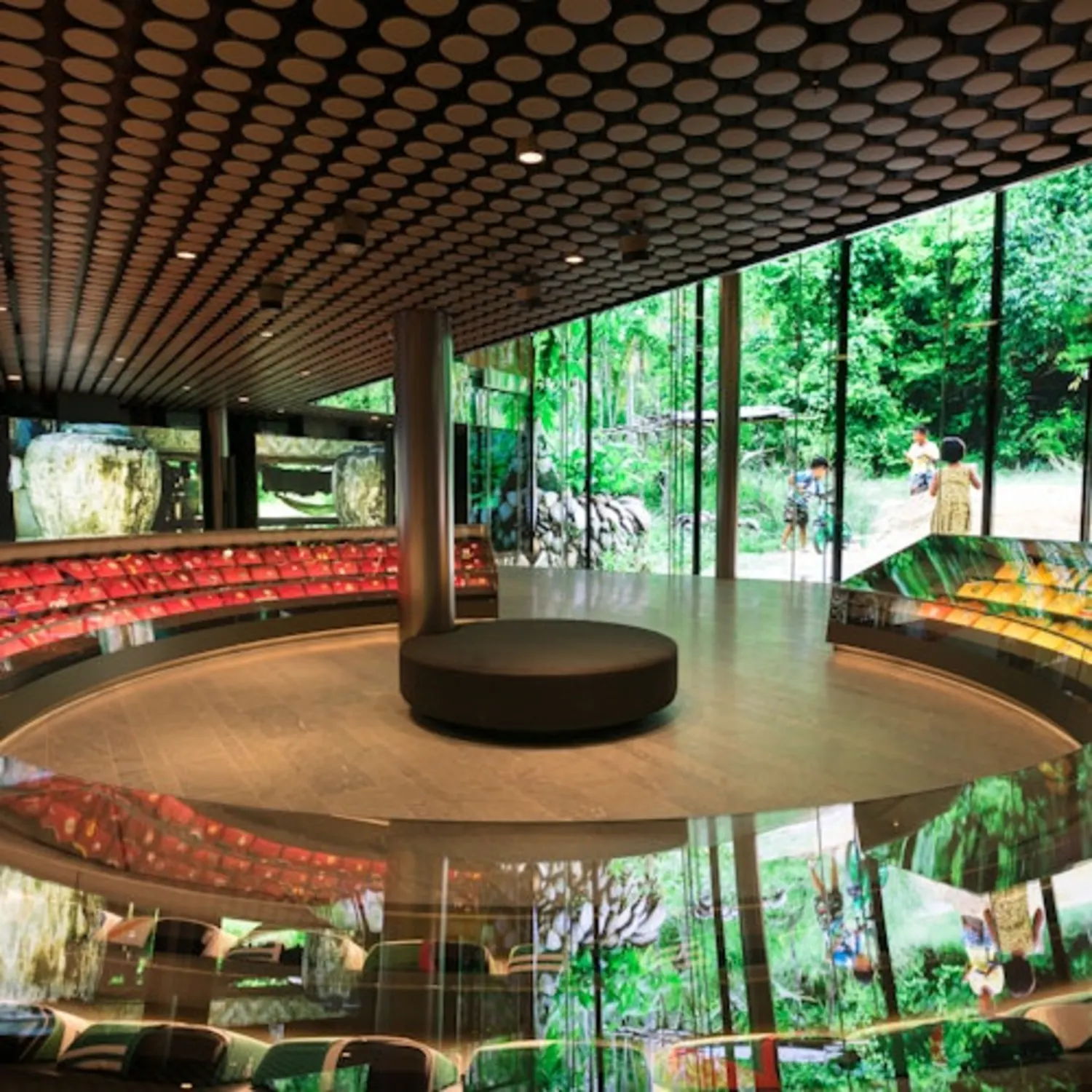
The "Planet Football" gallery includes a 180-degree cinematic experience that surrounds viewers with high-definition footage of historic tournament moments.
Every World Cup winner is honored in a dedicated gallery that chronicles the evolution of the tournament from its Uruguayan origins to the present day.
The museum’s collection includes personal artifacts from legendary players like Pelé, Diego Maradona, and Marta.
The building is entirely powered by renewable energy and utilizes a sophisticated heat recovery system for its climate control.
A special area of the museum is dedicated to the history of the FIFA Women’s World Cup, highlighting the rapid growth of the women's game.
 English
  Español
  Deutsch
  Português do Brasil
  Français